‘Armada’ by Ernest Cline

Armada-by-Ernest-ClineThe Armada is coming. An Armada of aliens that is – from a videogame, that main character Zack Lightman and his friends play nightly. Has Zack gone insane?

This is how Ernest Cline’s second novel, Armada begins as we delve into the very confused and tormented mind of eighteen-year-old Zack Lightman. The high school senior, like many high school seniors, is entirely unsure of what he wants to do with his future, and knows only what he loves. In Zack’s case, this is playing videogames, particularly Armada. In Armada Zack fights, along with his friends online, to save Earth from the Sobrukai, an alien clan of octopus-like creatures yearning to take over Earth and extinguish humanity.

When Zack looks out of the window of his classroom and sees a ship that looks exactly like a Sobrukai ship from Armada, he begins to wonder if he is losing his mind, like he suspects his late father did. From here the plot unravels into an intricate conspiracy theory about the intention behind numerous science fiction films, books and videogames, luring the reader into the book with a hook that makes you question your own reality.

The typical trope of “regular boy becomes hero” is what moves Armada forward, but Cline uses this trope in such a way that he imbues it with a fresh and unique aura. Though Zack’s story echoes so many other science fiction hero narratives, particularly that of Luke Skywalker, the setting and contemporary references make the plot so palpable that the reader can’t help but be drawn in. Cline is continually referencing not only popular videogames and science fiction characters that only the ultimate geek will pick up on, but he also weaves classic rock references into nearly every chapter calling out the old school rock nerds as well with his laugh out loud comments.

There are also certain points where the plot seems overly contrived, but once you step back and realize that all novels are in fact contrived and there’s sometimes no way around bridging the gaps in a story except by making certain things happen that need to happen, you can move past this hiccup. Plus, Cline’s characters give such weight to Armada, that you can easily overlook these seemingly forced spots and keep going with fervor.

Overall, Armada is by far one of the most engaging reads of 2015. The characters, plot, references and tone of Armada propel you into this near futuristic world with a gusto that results in absolute immersion. After the success of his first novel, Ready Player One, Cline has done it again, creating a fascinating world that seems so real, you will begin to question your own sanity.

Released by Crown Publishing on July 14, 2015, Armada is available at your local bookstore.

Read more science fiction book reviews at Centered on Books.

FTC Disclaimer: This book was given to me in return for a fair and honest review of the text.

‘A Girl Is a Half-Formed Thing’ by Eimear McBride

A Girl is a Half-formed Thing by Eimear McBrideEimear McBride’s debut novel A Girl Is a Half-formed Thing is a modern-day Joycean expedition into the disjointed thoughts of a haunted, unnamed girl. Following this unnamed narrator from birth until twenty years old, McBride’s novel takes on a prosody which mirrors the alacrity of events that take place. Told as a stream of consciousness, the narrator takes us through the horrors of her child and young adulthood all along addressing “you,” her brother, as if he were the recipient of her tale.

Within pages of the novel, we find that the narrator’s brother was born with a brain tumor and his sight, hearing, equilibrium and brain development have been severely affected by this past illness. The narrator’s mother is an abusive single parent whose love of religion and the ideas bound up in religiosity far outweigh her actual participation and investment in the ideals of the church. We meet other significant characters in the narrator’s life, all of whom negatively impact her and lead her further down a road toward corruption and dissociation with herself and her body.

A major theme in A Girl Is a Half-formed Thing is the disparate ideas of purity that surround the narrator. What purity means to those within the Christian faith, what it means to the narrator, to her mother, and to the world at large severely shadow the events of the novel. The narrator, though she seems to denounce Christianity, cannot help but feel the pull of its ideals that have been instilled in her since childhood. Constantly obsessing over purification and baptism, the narrator simultaneously seeks out disdainful actions and repels them at the same time, though she hardly ever escapes a negative situation with success.

Coupled with this idea of purity is the role of the body and the question of whether purity of body or mind is more important. There is constantly a disassociation of the self from the body, as the narrator begins to use sex and physical abuse as a form of consolation for her troubles. Echoed by the slow death of her brother’s body, the narrator too becomes more and more detached from the body which she subjects to abuse, often commenting on the emptiness inside of her that she seeks to fill.

The novel moves at a pace that often cascades so quickly, it’s easy to lose sight of exactly what’s happening as you get caught up in the often fragmented, sometimes half-formed, language that fills each page. The rapid cadence of A Girl Is a Half-formed Thing proves to propel the novel forward with a dire momentum that positions the reader constantly on an edge: just as the narrator is.

A Girl Is a Half-formed Thing is a terrifyingly beautiful look into the formation of a young girl and all that can and will go wrong in her life. The dual simplicity and complexity of McBride’s language mirrors the themes and ideas of the novel that, though they are often blatant, are deeply profound and driven by an emotionality that the reader can’t help but be absorbed by.

A Girl Is a Half-formed Thing was published by Hogarth in June of 2015.

Read more fiction book reviews at Centered on Books.

FTC Disclaimer: This book was given to me in return for a fair and honest review of the text.
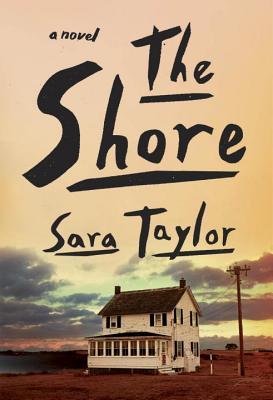
‘The Shore’ by Sara Taylor

The Shore by Sara TaylorThe Shore is a place of beauty and nightmare, of magic and perversity, of both horror and insight. In this collection of interconnected short stories, author Sara Taylor takes readers on a journey of genealogy that explores themes of family, the cyclical nature of violence, the importance of self-preservation and perseverance, as well as the complexity of what it means to love and be loved by others and by oneself.

Female characters are at the center of most of the stories, and the strength and vulnerability of the female condition is explored in depth. One of the most valuable aspects of the novel though is Taylor’s ability to shift her perspective from male to female, from past to present, from first to third person and back again. We hear from the raped and the rapist, from the abused and the abuser, from mother and child and from friends, lovers and cousins all to culminate in the telling of not only the individual stories, but the larger, over-arching themes that span the entirety of the novel.

In narrating The Shore in such a way, Taylor creates an air of empathy that would otherwise be vacant space. Because of the multiple perspectives offered, though, the reader is better able to gain access into the minds and spirits of characters whose connections to one another only ensure the reader’s own attachment to that character. Though this by no means absolves any of the characters of their often malevolent personas, and in some cases the reader is made to hate the already detestable characters even more so.

The Shore is unarguably a work of literary fiction; however, Taylor is still able to weave elements of magical realism, dystopian narrative and thriller inspired mystery into a number of her stories. Though Taylor is often successful in seamlessly shaping these deeper stories despite their more plot-driven impetus, the reader can at times get distracted from the value and significance of the story as she is drawn into the what rather than the who of the narrative.

Nonetheless, The Shore is an emotionally charged read that forces you to contemplate larger questions of violence, love and hatred while encouraging the growth, development and perseverance of the individual despite hardship, failure and horror.

Published by Hogarth, Sara Taylor’s The Shore was realeased May 26, 2015.

Pick up a copy at your local bookstore today.

Read more fiction book reviews at Centered on Books.

FTC Disclaimer: This book was given to me in return for a fair and honest review of the text.