
Bestselling author Jazmin Darznik is at it again with her latest historical fiction novel The Bohemians. Set mainly in 1920s San Francisco, The Bohemians follows photographer Dorothea Lange from her arrival in The Golden City to becoming the artist she never claimed to be.
When we meet Dorothea, she is a cautious and withdrawn young girl only planning to pass through San Francisco when she’s robbed and left with nothing but her camera and the kindness of a few strangers. She quickly befriends Caroline Lee, a seamstress and artist herself, who introduces Dorothea to Monkey Block. Monkey Block is the core of the bohemian scene in San Francisco at the time, and Dorrie quickly rises through the ranks of artists surrounding her to become the first woman to own a portrait studio in the city.
Along the way, we meet a host of famous (and often infamous) characters including artists Maynard Dixon, who eventually becomes Dorothea’s husband, and Ansel Adams. Each new introduction enlivens the novel with fresh verve as readers not only recognize, but grow eager to learn more of, these historical figures. While the novel is a fictionalized account of Lange’s life, there is an element of pure fun to reading about legendary artists whose lives can only be known through what little pieces we have left of their pasts.
Darznik takes on numerous thematic and moral feats with The Bohemians drawing connection to modern day issues that still haven’t resolved over 100 years after Dorothea Lange experienced them. There’s systemic racism and politicians who support and further that ideology. There’s plague and pestilence that result in mask mandates, shuttered businesses, and social isolation. There’s misogyny. And then, perhaps most central to Dorothea’s own life is the issue of how we see ability in our society.
Dorothea survived polio as a child, leaving one of her legs with a limp that she is wholly ashamed of until Caroline starts to convince Dorothea to see things differently. Dorothea’s embarrassment stems from how society views her and how she believes she should view herself based on societal norms and values of “beauty” and “perfection.” However, as Dorothea’s fame grows and with it her confidence to see beyond more traditional viewpoints, we hear less and less about her leg as something problematic and shameful. She is wildly successful, she is happy, she is loved by others and by herself and not despite her disability but because of who she is and how she defines herself, disability and all. At one point in the novel, Dorrie proclaims that without her differing abilities, she wouldn’t be the photographer that she is. A rare and powerful view of disability that is widely lacking in fiction (as well as our society), Darznik does a superb job portraying disability as it should be: something not to be lamented, ashamed of, or less in any way, but rather a part of the human condition that adds insurmountable value to individual lives and society as a whole.
A fast-paced, captivating novel that draws you in from the very beginning, The Bohemians is the perfect novel for history buffs, artist, or anyone looking for a delightful read that doesn’t shy away from hard topics.
Published by Ballantine Books in April 2021, The Bohemians is available from your local independent bookstore today.
Read more fiction book reviews at Centered on Books.
FTC Disclaimer: This book was given to me in return for a fair and honest review of the text.


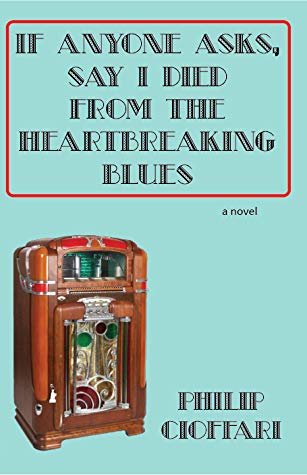 Philip Cioffari’s latest novel If Anyone Asks, Say I Died From the Heartbreaking Blues is set in 1960’s New York and tells a story of boyhood and growing up.
 American Dirt by Jeanine Cummins tells one of the most important stories of our time. A story of heroism and bravery, of fear and unfairness, and of what it means to live a life to its fullest.
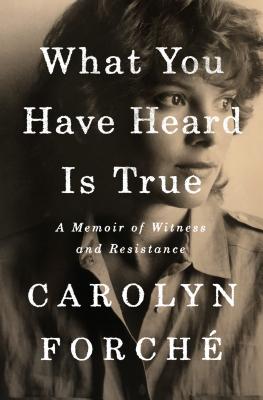 What You Have Heard is True: A Memoir of Witness and Resistance is a moving piece of non-fiction that gets at the heart of what it means to be human and what it means to be a human who acts. Written by poet Carolyn Forché, the memoir is an account of her time in, and relationship with, El Salvador and the man who helps her form that relationship: Leonel. Told through a mixed media lens, the book includes narrative, poetry, and photographs to help build the image, scene, and emotion of El Salvador at the time of Forché’s visits there.
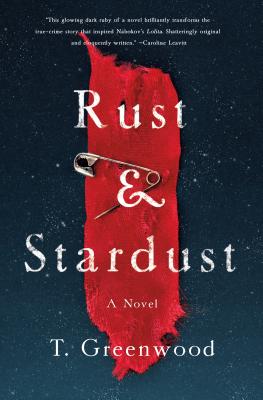 Most serious readers have heard of Lolita, the iconic novel that barreled through controversy and outrage to become a lasting legacy in the literary world. Few people, though, have heard of Sally Horner, a young girl who potentially inspired Nabokov’s horrifying contribution to modern literature. Rust & Stardust by T. Greenwood finally tells Sally’s story, giving back the narrative that was taken from her.
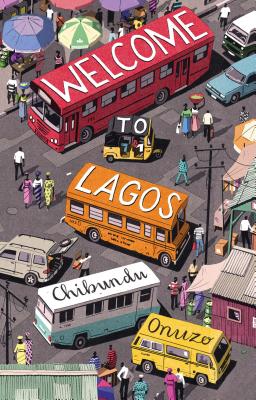 Walking in the footsteps of Chinua Achebe, Chimamanda Ngozi Adichie, and others in the Nigerian literary canon, Chibundu Onuzo’s Welcome to Lagos is the next contemporary Nigerian novel. Onuzo leads readers through a thematically riveting novel as she paints a picture of Nigeria’s beauty, horror, and the perceptions of both its people and those looking in on its people.
 Centered on Books