 McGlue by Ottessa Moshfegh is a novel born into the American literary tradition in an explosive way. Echoing beacons like Edgar Allan Poe and Nathanial Hawthorne, McGlue is a dark and nuanced novel.
Moshfegh takes us through the mind and madness of an alcoholic, McGlue, living in the late 1800s. McGlue is being held on a ship, tied to his bed and raving. The captain and other men on board tell him that he’s killed his best friend and lover, Johnson, but McGlue knows this can’t be true. Then again, he can’t exactly remember, especially without a drink to put his mind in order. Going from near dead drunk to a tormented withdrawal, McGlue tries to piece together exactly what happened, and the reader is beside him the whole way.
We sit in the jail cell with McGlue, and Johnson at times, wondering ourselves what’s true and what isn’t. Sometimes we are with McGlue and his mother, or in McGlue’s past as a child with his now dead siblings. Moshfegh weaves together past and present in ways that often make it hard to parse out exactly where we are in time at all, which it seems is also true for McGlue. In this tight first-person narration, we are so close to McGlue we start to feel his madness, his anger, his unbelievably unfair circumstances, and yet we know something is missing.
Moshfegh does a fantastic job of creating a voice for a character that remains constant and unbroken throughout the entire 145 pages. The drunken banter, the desperate pleading, all of it is McGlue the whole time, and it’s fantastic.
Slated for release by Penguin Books on January 8, 2019, you can preorder a copy of McGlue by Ottessa Moshfegh from your local bookstore.
Read more fiction book reviews at Centered on Books.
FTC Disclaimer: This book was given to me in return for a fair and honest review of the text.

 The Night Tiger by Yangsze Choo captures mystery, magic, and mysticism in a literary litany to 1930s colonial Malaysia. Weretigers, mummified fingers, haunted dreams, and forbidden love are only a few of the elements that comprise Choo’s story.
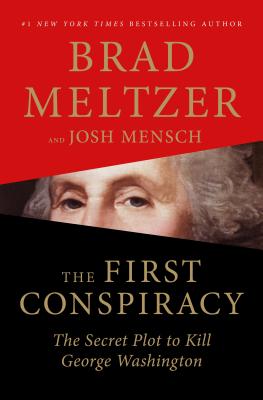 The First Conspiracy by Brad Meltzer and Josh Mensch tells the story of America’s first acts of criminal espionage against the government and the government’s first act of counter espionage.
 Markus Zusak author of the acclaimed novel and now title movie, The Book Thief, is on the verge of his second release. Zusak’s latest work Bridge of Clay, is a multigenerational family portrait that deals with issues of loss, regret, creation, and the danger and joy of love. Told by Matthew Dunbar, the oldest of the Dunbar brothers, Bridge of Clay is less about its narrator and more about Clay: the brother who bridged a broken family, a broken past, and a broken peace.
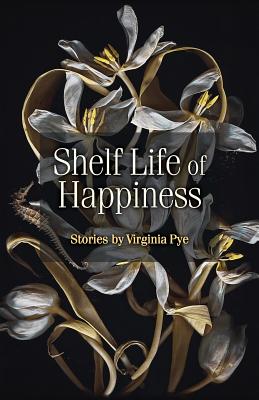 Shelf Life of Happiness by Virginia Pye is a book about the expiration of happiness: the end of its shelf life.
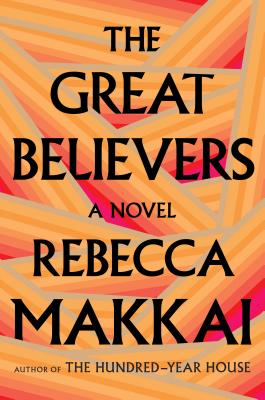 Life is beautiful. Life is terrible. Life is blind and unforgiving. Rebecca Makkai delves deeply into what it means to be alive, what it means to feel like the last person alive, and what it means to leave someone behind and keep living in her latest novel The Great Believers.
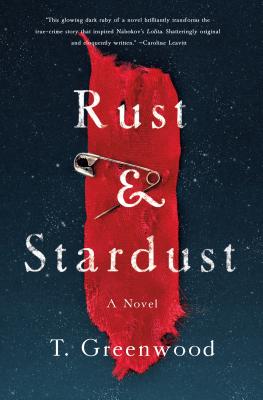 Most serious readers have heard of Lolita, the iconic novel that barreled through controversy and outrage to become a lasting legacy in the literary world. Few people, though, have heard of Sally Horner, a young girl who potentially inspired Nabokov’s horrifying contribution to modern literature. Rust & Stardust by T. Greenwood finally tells Sally’s story, giving back the narrative that was taken from her.
 Courtney Peppernell’s new collection of poetry, Pillow Thoughts II: Healing the Heart, is focused primarily on what it sounds like: love.
 Mourning Dove by Claire Fullerton tells a story mostly of relationships and of the meaning of the word “home.”
 Centered on Books